Minnesota Attorney General Keith Ellison has drawn attention for his position on firearms and protests as the state continues to grapple with fallout from the fatal Minneapolis Border Patrol shooting that killed Alex Pretti, a 37-year-old ICU nurse.
Ellison is scheduled to argue in federal court to end the federal immigration enforcement operation in Minnesota, part of a broader legal challenge to the surge of Homeland Security agents in the state following the shooting, the Daily Caller noted.
In previous litigation, Ellison joined a coalition of 16 Democratic attorneys general in filing a brief that argued states have the authority to restrict firearms at political rallies and protests, contending that such events can attract violence.
His comments and legal actions come amid heightened debate over public safety, gun rights, and the role of armed individuals at protests tied to immigration enforcement. The Minneapolis case has put renewed focus on how local leaders balance Second Amendment rights with efforts to maintain order during large demonstrations.
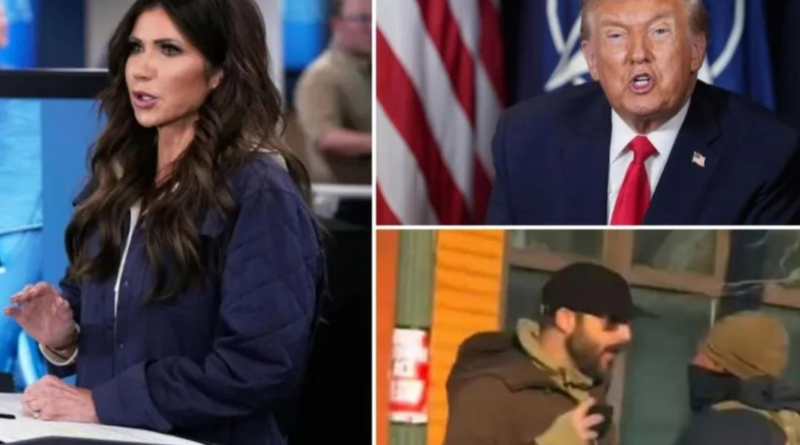
Photographs and videos from protests following Pretti’s death show crowds gathering near the scene and in downtown areas, with confrontations between demonstrators and law enforcement.
Both Ellison and opposing officials have stressed that investigations and court proceedings will continue in the days ahead as the legal and political disputes over enforcement tactics and protest rights unfold.
In a statement, the Minnesota Gun Owners Caucus called the shooting “deeply concerning.”
“Every peaceable Minnesotan has the right to keep and bear arms—including while attending protests, acting as observers, or exercising their First Amendment rights,” the organization said. “These rights do not disappear when someone is lawfully armed.”
The AGs of DC, IL, CT, DE, HI, MD, MA, MI, MN, NV, NJ, NY, OR, PA, RI, VT, and WA argued in 2024 that there’s no 2A right to carry guns at “events involving political speech, like political rallies and protests” because they are “often targets of violence” https://t.co/471u7bqPEi pic.twitter.com/bN5KHgMf4e
— Rob Romano (@2Aupdates) January 25, 2026
In comments to the Minneapolis-based FOX 9, Rob Doar of the Minnesota Gun Owners Law Center pushed back against Ellison’s reasoning.
“If he had a permit to carry, it’s not unlawful to be carrying while you’re exercising your First Amendment right,” Doar said. “You don’t have to pick between which rights you exercise.”
Minnesota Democrats, meanwhile, are vowing to hold federal officials accountable following the Jan. 24 fatal shooting of Pretti by a U.S. Border Patrol agent, an incident that has sparked renewed protests in a state already facing heightened tensions over recent law-enforcement shootings.
Gov. Tim Walz and other Minnesotans have vowed that the state “will have the last word” on the fatal shooting that they see as the result of the Trump administration’s controversial deployment of agents who are there to do immigration enforcement operations, all of which have been resisted by the governor and other Democrats.
“I have a strong statement here for our federal government,” Walz. “Minnesota’s justice system will have the last word on this. It must have the last word.”
Minnesota National Guard members were deployed on Saturday at the governor’s request to secure the site of the shooting and the Whipple Federal Building, which is a known staging area for immigration authorities and has become a hotspot for protesters, according to the statement.
“The Minnesota National Guard’s mission remains the same: preserving life, protecting property, and ensuring Minnesotans can safely exercise their First Amendment rights,” Army Maj. Andrea Tsuchiya, a state national guard public affairs officer, said in a statement.
Pretti, a U.S. citizen who was an intensive care unit nurse for the VA, was killed during an encounter with federal immigration officers in Minneapolis.
Federal authorities said Pretti was armed with a handgun and claimed he intended to use it against law enforcement. Officials said a struggle occurred before an agent fired.
The incident follows the recent fatal shooting of Renee Nicole Good, 37, who was killed by an Immigration and Customs Enforcement officer earlier this month.
That shooting also prompted protests and calls for greater scrutiny of federal law-enforcement operations in Minnesota.