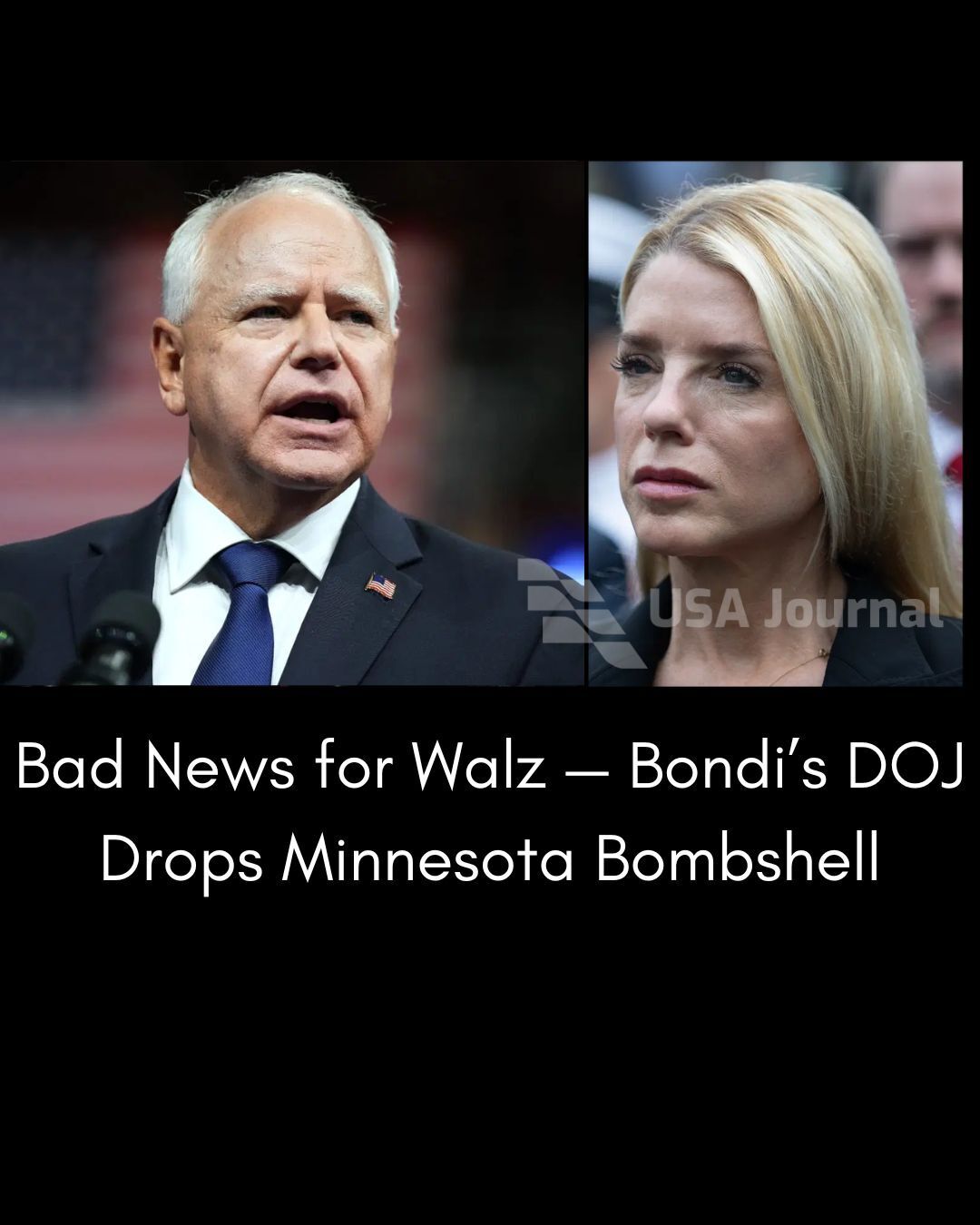
The Trump administration’s move to establish a new Justice Department fraud division led by a Senate-confirmed assistant attorney general is both smart and necessary. Making fraud enforcement a national priority is long overdue, especially as taxpayers and businesses continue to pay the price for weak oversight. By giving the division a clear structure and independent leadership, the administration is bringing accountability and seriousness to an area of law enforcement that too often falls through the cracks.
According to reports, the administration plans to appoint a new fraud chief with nationwide jurisdiction, operating directly out of the White House. That distinction matters. Centralized leadership will strengthen coordination across the Justice Department, which already maintains a Criminal Division Fraud Section focused on complex financial and health care fraud, corporate misconduct, and foreign corruption. Combined with existing civil fraud units and proven enforcement programs, the new structure builds on a record of convictions, corporate penalties, and significant recoveries for taxpayers—bringing focus and accountability to an area that demands both.
However, this will be more broad-based, overseeing “multi-district and multi-agency fraud investigations; provide advice, assistance, and direction to the United States Attorneys’ Offices on fraud-related issues; and work closely with Federal agencies and Department components to identify, disrupt, and dismantle organized and sophisticated fraud schemes across jurisdictions.”
Guess where the first assignment is? Yep – Tim Walz’s Minnesota. Seems very appropriate given what we’ve learned about what’s ‘allegedly’ taking place there with the state’s large Somali community:
According to reports, the administration plans to appoint a new fraud chief with nationwide jurisdiction, operating directly out of the White House. That distinction matters. Centralized leadership will strengthen coordination across the Justice Department, which already maintains a Criminal Division Fraud Section focused on complex financial and health care fraud, corporate misconduct, and foreign corruption.
Combined with existing civil fraud units and proven enforcement programs, the new structure builds on a record of convictions, corporate penalties, and significant recoveries for taxpayers—bringing focus and accountability to an area that demands both.
There is nothing improper about a president—and vice president—setting clear enforcement priorities. Fraud strikes at the core of a market economy by punishing honest competitors, stealing from taxpayers, and eroding trust in both government programs and private enterprise. A constitutional republic depends on the rule of law, and that means fraud enforcement that is tough, focused, and consistent—protected from partisan whiplash and applied evenly across administrations.
The limited risk is that operating “out of the White House” could invite the temptation to turn fraud policy into a messaging exercise. A fraud division seen as an extension of political strategy would be easier for defense attorneys to attack and easier for future administrations to misuse. What the Justice Department actually needs is a fraud division with the credibility and durability to pursue complex financial crimes, health care schemes, and public corruption without fear or favor.
The better approach is to strengthen the existing Criminal Fraud Section by giving it the resources, data tools, and clear direction needed to prioritize serious cases that harm ordinary Americans—not just high-profile corporate targets. That also means improving coordination between criminal and civil fraud units, including smarter use of whistleblower information and data analytics that have already delivered results in health care and procurement enforcement. Just as important is transparent reporting on convictions, penalties, and restitution, so taxpayers can judge whether enforcement is real or merely symbolic.
The administration’s plan to install a Senate-confirmed fraud leader within the Justice Department’s established chain of command points in the right direction. Giving that official authority to unify scattered fraud efforts under one accountable structure is how conservatives should approach law enforcement: by making government more coherent, more disciplined, and more effective—not louder or more chaotic.
Efforts to combat fraud should focus on rebuilding trust, supporting legitimate work, and safeguarding taxpayers. The administration is correct in asserting that fraud should be more prominently addressed. Now, it must demonstrate that it can tackle fraud without reducing justice to merely another campaign talking point.