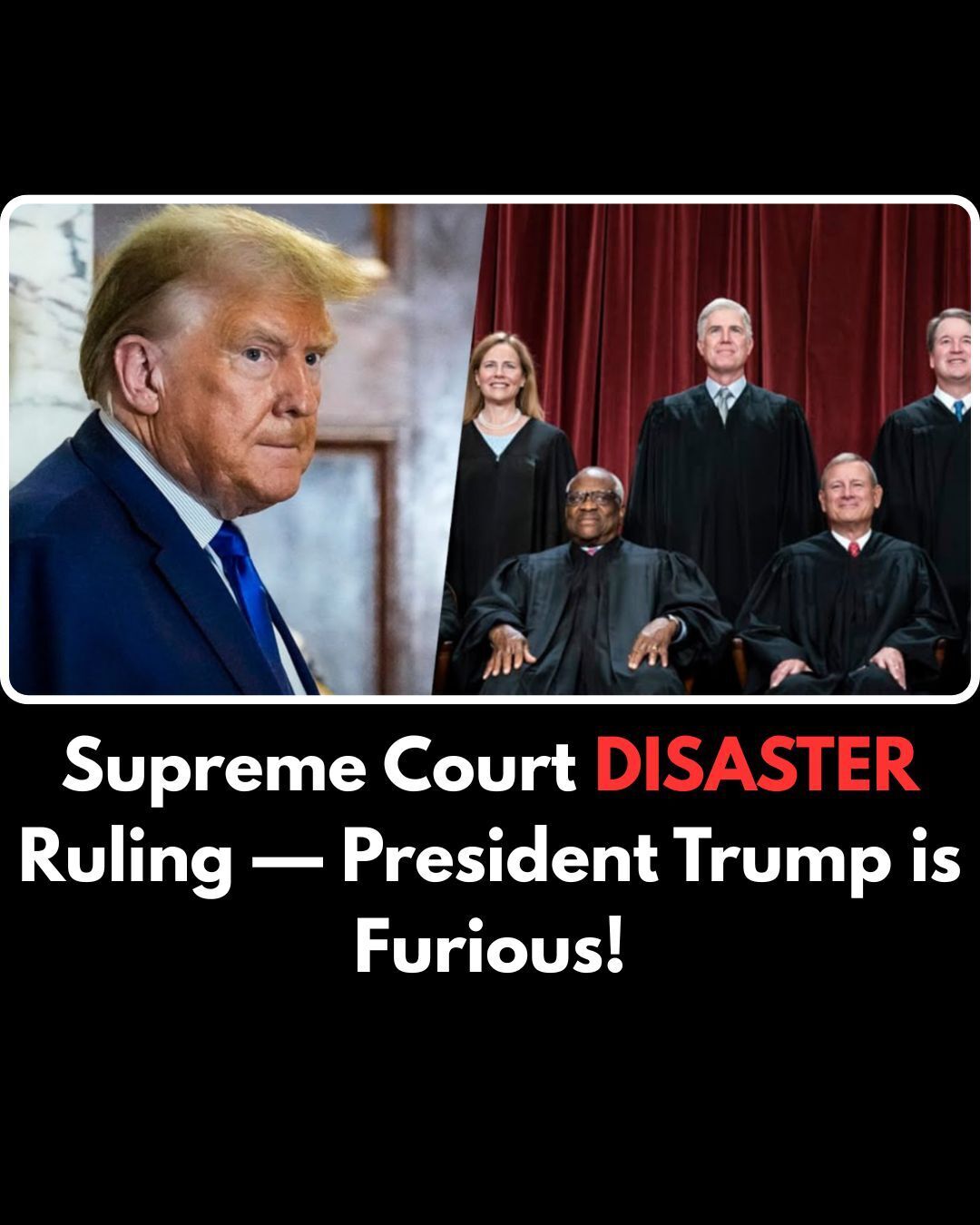
The Trump administration’s months-long winning streak on the court’s emergency docket came to an end on Friday when the Supreme Court declined to step in for the time being in a dispute over speech restrictions for immigration judges.
The court has denied one of the administration’s emergency appeals for the first time since the spring. The order allowed the government to retry the case if it moves forward, but no justice publicly objected, The Hill reported.
“At this stage, the Government has not demonstrated that it will suffer irreparable harm without a stay,” the one-paragraph order reads.
Restrictions on what immigration judges may say in public are the root of the case. The limitations mandate that judges, who are members of the executive branch, get permission before making speeches on topics directly related to their official responsibilities.
According to the National Association of Immigration Judges (NAIJ), the policy is unconstitutional under the First Amendment.
However, those free speech issues had not yet presented themselves to the justices.
The Trump administration appealed to the Supreme Court in an attempt to block an order permitting the lawsuit to proceed before a federal district judge. The administration contends that it needs to appear before the Merit Systems Protection Board (MSPB), a specialized tribunal that handles specific disputes involving federal employees.
That question also raises broader implications for the cases of other federal employees. Solicitor General D. John Sauer informed the justices that the lower decision would “indefinitely thwart the MSPB.”
“The answer to such prolific contravention of the Court’s precedents should not be to wait and see just how much instability will ensue,” Sauer wrote in court filings.
The MSPB’s jurisdiction was recognized by the lower court. It cited President Trump’s dismissal from the board, which left it temporarily without a quorum, as justification for permitting the lawsuit to move forward, stating that it raises “serious questions” about whether the MSPB “continues to function as intended.”
“The Supreme Court was right to reject the government’s request for a stay of proceedings,” Ramya Krishnan, senior staff attorney at the Knight First Amendment Institute, which represents NAIJ, said in a statement.
“It should also quickly reject the government’s soon-to-be filed cert petition,” Krishnan said, referring to the administration’s expected ask that the justices take up the case on their normal docket. “The restrictions on immigration judges’ free speech rights are unconstitutional and it’s intolerable that this prior restraint is still in place.”
Friday’s order marks a rare loss for President Trump’s administration on the Supreme Court’s emergency docket.
Since Trump took office again, the administration has submitted 32 emergency applications to the justices.
While the president’s detractors claim it shows him acting illegally, the administration claims the startling figure is the consequence of federal district judges going beyond their bounds to thwart Trump’s agenda.
The Supreme Court has nearly consistently sided with the Trump administration in cases decided thus far, but a number of the applications are still pending or were withdrawn.
However, the nation’s highest court delivered a critical immigration decision this week.
A lower court decision that remanded the case for further investigation was upheld by the Supreme Court, which declined to temporarily halt a legal challenge to a Trump administration policy that restricts speaking engagements by immigration judges.
The justices denied the administration’s request to stop a ruling by the 4th U.S. Circuit Court of Appeals that resurrected a lawsuit filed by the National Association of Immigration Judges in a brief, unsigned ruling.
But the court made it clear that if the trial court proceeds with discovery before the Supreme Court considers whether to take up the case, the government may come back.
A policy that prohibits immigration judges “from speaking in their personal capacities about immigration and about the agency that employs them” is at the heart of the dispute, according to the judges’ association.