
Rep. Alexandria Ocasio-Cortez gave a lengthy answer when asked about U.S. defense commitments to Taiwan.
Critics compared her response to Kamala Harris’s so-called word salads. Conservatives said her lack of a clear foreign policy position showed what they see as weaknesses in the progressive left’s approach. Some people expressed concern about such figures representing America internationally.
This happened during a town hall at the Munich Security Conference. Ocasio-Cortez was asked if the United States should send troops to defend Taiwan in case of a Chinese invasion. Instead of giving a direct answer, she spoke in general terms about a rules-based order and Western hypocrisies, without addressing the main question.
Conservatives quickly criticized her response. They argued this is what happens when people with limited experience are put in important positions. Fox News opinion commentators called it a word salad that embarrassed both Ocasio-Cortez and the Democratic Party.
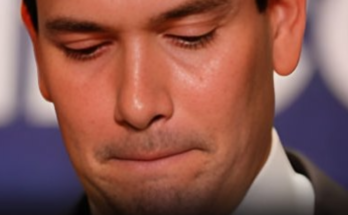
In contrast, Secretary of State Marco Rubio delivered an address at the same conference that drew strong applause. Rubio championed Western values, Christian heritage, and opposition to mass migration. Supporters said his clarity and firmness highlighted the difference between Republican leadership and Democratic hesitation.
Reports suggested AOC’s frustration followed Rubio’s warm reception. She pivoted to a critique of class-based internationalism in what critics called an attempt to regain momentum. Social media reacted swiftly, with some users mocking her response as unprepared and unfocused.
This was not the first time Ocasio-Cortez has faced scrutiny on foreign policy. Critics argue her emphasis on income inequality and corporate criticism does little to address threats such as Chinese aggression.
Prominent conservatives, including Matt Schlapp of Conservative Political Action Conference, condemned the performance as damaging to America’s credibility. They said it resembled a political spectacle rather than serious diplomacy.
The Munich gathering aimed to strengthen alliances among Western nations. Instead, critics said it exposed Democratic weaknesses on the global stage. While Rubio defended the West against decline, AOC focused on hypocrisies and domestic critiques.
Online backlash intensified, with hashtags mocking her remarks circulating widely. One viral post described the exchange as a meltdown triggered by Rubio’s ovation.
Supporters of Rubio argued his speech reaffirmed America’s commitment to freedom and resonated with European leaders. Some attendees reportedly expressed unease about geopolitical uncertainty during President Trump’s first year back in office.
AOC’s defenders framed her comments as a call for working-class international politics. Critics countered that her delivery lacked preparation and clarity.
Commentators on the right argued the episode illustrates why progressives should not lead on global security issues. They said complex foreign policy demands direct answers and strategic focus.
Moderators at the event joked about Ocasio-Cortez’s potential 2028 ambitions, prompting scattered laughter. The moment added to speculation about her future political plans.
Criticizing President Donald Trump, Ocasio-Cortez accused him of authoritarian tendencies. Conservatives responded by pointing to what they view as Democratic overreach in past years.
For Republicans, the contrast between Rubio and Ocasio-Cortez became a talking point. They framed it as evidence that voters rejected Democratic leadership in the 2024 election.
AOC’s prior anti-Israel remarks also resurfaced in online debate. She has accused U.S. aid of enabling genocide, a charge her critics reject as exaggerated and unfounded.
Supporters of Rubio celebrated his reception as a sign of confidence in conservative foreign policy.
Many argued that her remarks projected weakness toward adversaries such as China and risked undermining U.S. credibility abroad.