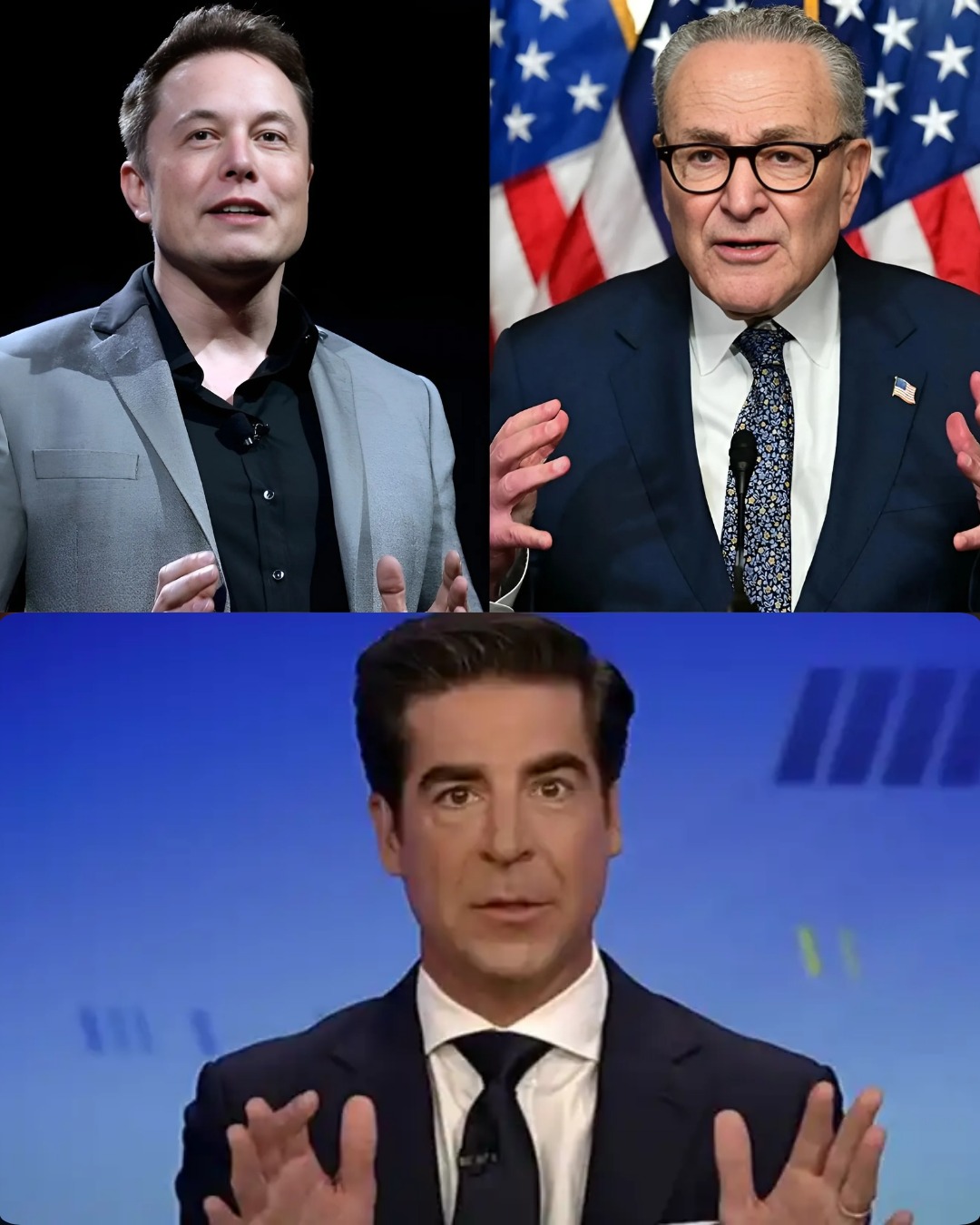
A wave of sensational posts has swept across social media claiming that FOX News commentator Jesse Watters and billionaire entrepreneur Elon Musk have jointly exposed massive ballot fraud in New York City—allegedly triggering a federal investigation into what is described as “the most shocking election fraud in decades.” The posts cite a supposed Musk tweet declaring that “New York City ballots are a scam” and assert that Watters uncovered evidence pointing to a leading Democratic figure orchestrating voter manipulation.
The story is dramatic. It is also unsupported by verified evidence.
No confirmed Musk statement or investigation
As of this writing, no verified tweet or public statement from Elon Musk has been found making the claim that New York City ballots are a “scam.” Musk’s social media activity is heavily tracked by journalists and watchdog groups, and such a statement—if real—would have been immediately reported by major outlets. None have done so.
Equally important, there is no confirmation from the Department of Justice, the FBI, or New York election authorities that a new federal investigation into New York City ballot fraud has been launched in coordination with Jesse Watters or Elon Musk.
Jesse Watters’ role misunderstood
Jesse Watters is a television commentator and host of Jesse Watters Primetime. He is not a law enforcement official, prosecutor, or government investigator. While Watters frequently discusses allegations of election irregularities on air, he has no authority to “launch” federal investigations or direct investigative teams.
Claims that Watters “joined forces” with Musk to conduct a sweeping probe reflect a misunderstanding—or misrepresentation—of how investigations actually occur in the United States.
The anonymous “insider” problem
Viral posts describe unnamed insiders revealing “speechless investigators,” “forged mail-in ballots,” “copied voter records,” and secret “ballot carriers” allegedly caught on surveillance footage. However:
-
No videos have been produced
-
No court filings reference such evidence
-
No law enforcement agency has confirmed these claims
-
No named individuals have been charged
In journalism, allegations of election fraud require documented proof, named sources, and corroboration. Anonymous claims without evidence are not sufficient to substantiate criminal wrongdoing—especially when they accuse unnamed “leading Democrats” of serious crimes.
What election oversight data actually shows
New York City elections are administered under layers of oversight, including bipartisan election boards, state audits, and judicial review. While isolated errors or administrative issues occasionally occur—as they do in every large election system—no credible audit or investigation has concluded that widespread, coordinated ballot fraud occurred in New York City in recent elections.
Courts across the country, including those reviewing claims after the 2020 election, have repeatedly found no evidence of systemic voter fraud capable of altering election outcomes.
The hashtag illusion
Posts promoting the story claim that hashtags such as #NYCBallotBombshell are “trending worldwide.” Media analysts caution that trending hashtags can be artificially amplified through coordinated posting, bot networks, or niche online communities. Trending status alone does not verify the truth of a claim.
In fact, conspiracy forums and partisan social media groups often play a significant role in amplifying unverified narratives, creating the illusion of widespread validation.
Why these stories spread so quickly
Experts in misinformation studies note that stories combining:
-
High-profile figures (Musk, Watters)
-
Allegations of secret evidence
-
Claims of historic consequences
-
Emotionally charged language
are particularly effective at spreading—even when unsupported by facts.
The phrase “compiled from publicly available sources” is frequently used in viral posts, yet no actual sources are cited, allowing speculation to masquerade as reporting.
Legal and reputational risks of false claims
Accusations of election fraud and criminal conspiracy carry serious legal and reputational consequences. Making or repeating such claims without evidence can undermine public trust in democratic institutions and unfairly implicate individuals or groups without due process.
Reputable media outlets follow strict standards precisely to avoid these harms.
What we can verify
At present:
-
No verified Musk tweet alleges NYC ballot fraud
-
No federal investigation has been announced
-
No evidence of mass ballot forgery has been released
-
No Democratic leader has been charged or named
-
No surveillance footage has been authenticated
The bottom line
The narrative portraying Jesse Watters and Elon Musk as exposing a historic New York City ballot fraud scandal is not supported by verifiable facts. What exists instead is a viral story built on anonymous claims, dramatic language, and speculation—amplified by social media but unconfirmed by any credible authority.
Extraordinary allegations require extraordinary evidence. In this case, none has been provided.
Until official statements, court documents, or independently verified reporting emerges, this story should be treated not as breaking news—but as another example of how misinformation can spread rapidly in a polarized media environment.